Buy mfsc.eu ?
We are moving the project
mfsc.eu .
Are you interested in purchasing the domain
mfsc.eu ?
domain@kv-gmbh.de · 0541-91531010
Buy mfsc.eu ?
What is a HashMap in Java?
A HashMap in Java is a data structure that stores key-value pairs. It uses a technique called hashing to store and retrieve elements quickly. Each key is unique, and the HashMap allows null values and the null key. It provides constant-time performance for basic operations such as get and put, making it a popular choice for storing and retrieving data in Java applications. **
How do you use the HashMap in Java?
In Java, you can use the HashMap class to store key-value pairs. You can add elements to the HashMap using the put() method, specifying both the key and the value. You can retrieve a value from the HashMap using the get() method, passing in the key. You can also remove elements from the HashMap using the remove() method. Additionally, you can iterate through the elements of the HashMap using a loop or the forEach() method. **


Similar search terms for HashMap
Top-Angebote
Products related to HashMap:
-
Uplift Treasures Halloween Hanging Witch Hats Set For Indoor And Outdoor Decorations 12pcs HatsProduct Description: Transform your home into a magical Halloween scene with these hanging black witch hats. Each hat comes with a hanging rope, making it easy to create the popular floating hat effect on porches, ceilings, trees, and party spaces....67,97 $*Shipping: 0,00 $Secure redirect to the provider
-
Uplift Picks Neon Party Fedora Hats Glow Bright Under UV Blacklight Party Celebrations hats (6 Pcs)Turn any dark party into a vibrant crowd moment with neon party hats designed to fluoresce under UV blacklight. Their bright colors stand out during dances, concerts, birthdays, and themed events while adding an easy costume accessory for guests....63,00 $*Shipping: 0,00 $Secure redirect to the provider
-
Inspired Living Floating Witch Hats Halloween Hanging Decorations 6 12 Piece Black Witch Hat Set 6pcs HatsTurn your home into an enchanting Halloween scene with hanging witch hats that appear to float overhead. These classic black hats add instant spooky charm to porches, ceilings, trees, entryways, and party spaces. Designed for anyone who loves easy,...23,97 $*Shipping: 0,00 $Secure redirect to the provider
-
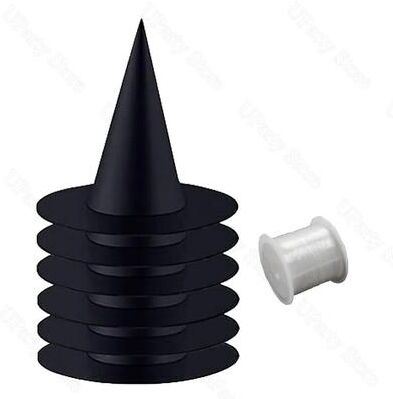
Uplift Treasures Halloween Hanging Witch Hats Set For Indoor And Outdoor Decorations 6pcs HatsProduct Description: Transform your home into a magical Halloween scene with these hanging black witch hats. Each hat comes with a hanging rope, making it easy to create the popular floating hat effect on porches, ceilings, trees, and party spaces....46,97 $*Shipping: 0,00 $Secure redirect to the provider


-
How can one efficiently use a Java HashMap?
One can efficiently use a Java HashMap by understanding its key features and best practices. First, it is important to choose the right data type for the key and value to ensure efficient retrieval and storage. Additionally, it is crucial to properly handle collisions by using an appropriate hashing function and implementing a strategy for resolving conflicts. Finally, it is important to consider the load factor and capacity of the HashMap to ensure optimal performance. By following these best practices, one can efficiently use a Java HashMap for storing and retrieving key-value pairs. **
-
How can you retrieve specific values from a HashMap?
To retrieve specific values from a HashMap in Java, you can use the `get()` method by passing the key for which you want to retrieve the value. For example, if you have a HashMap called `map` and you want to retrieve the value associated with the key "key1", you can do so by calling `map.get("key1")`. This method will return the value associated with the specified key, or null if the key is not found in the HashMap. **
-
How can specific values be printed from a HashMap?
Specific values can be printed from a HashMap by using the get() method to retrieve the value associated with a specific key. For example, if we have a HashMap called map and we want to print the value associated with the key "key1", we can use map.get("key1") to retrieve and print the value. Additionally, we can use a loop to iterate through the keys and print their associated values. Another option is to use the values() method to get a Collection of all the values in the HashMap and then iterate through this collection to print the values. **
-
How do I generate keys for a Java HashMap?
To generate keys for a Java HashMap, you can use any object that implements the hashCode() and equals() methods. These methods are used to determine the hash code of the key and to check for equality between keys. You can use built-in Java classes like String or Integer as keys, or you can create your own custom class and override the hashCode() and equals() methods to define the behavior for generating and comparing keys. Once you have your keys, you can use the put() method to add key-value pairs to the HashMap. **
How do you read the value in a HashMap?
To read the value in a HashMap, you can use the get() method by passing the key for which you want to retrieve the value. For example, if you have a HashMap called map and you want to retrieve the value associated with the key "key1", you can use map.get("key1") to get the value. This method will return the value associated with the specified key, or null if the key is not present in the HashMap. **
How do you store players in a HashMap or ArrayList?
In a HashMap, players can be stored by using their unique identifier as the key and the player object as the value. This allows for quick retrieval of player information based on their identifier. In an ArrayList, players can be stored by simply adding them to the list. The position of the player in the ArrayList can be used to access and manipulate player information. Both data structures provide different ways to store and access player information based on the requirements of the application. **
Top-Angebote
Products related to HashMap:
-
Kringle Candle Knit Sweaters wax melt 64 gKringle Candle Knit Sweaters, 64 g, Wax Melts for Aroma Lamps Home Scents, A fragrance can add character to a room just the way designer accessories do. The Kringle Candle Knit Sweaters wax melt is a stylish way of adding a distinctive fragrance to your home. On melting, it releases an intense aroma that enhances the atmosphere and creates a sense of calm and well-being. The practical design also makes it easy to control the intensity to your liking. How to use: Never leave melted wax in the aroma lamp unattended or in the vicinity of easily flammable items. Do not leave the product within the reach of children or pets.4,50 £*Shipping: 3,99 £Secure redirect to the provider
-
Kringle Candle Knit Sweaters tealight candle 42 gKringle Candle Knit Sweaters, 42 g, Scented Candles Home Scents, The Kringle Candle Knit Sweaters tealight creates an atmosphere for every romantic dinner or regular evening. A candle placed in a candlestick becomes a home accessory and gives your smaller rooms a pleasant scent. A combination of several fragrances allows you to create a fragrant experience to your liking. Characteristics: a warm fragrance3,30 £*Shipping: 3,99 £Secure redirect to the provider
-
Uplift Treasures Halloween Hanging Witch Hats Set For Indoor And Outdoor Decorations 12pcs HatsProduct Description: Transform your home into a magical Halloween scene with these hanging black witch hats. Each hat comes with a hanging rope, making it easy to create the popular floating hat effect on porches, ceilings, trees, and party spaces....67,97 $*Shipping: 0,00 $Secure redirect to the provider
-
Uplift Picks Neon Party Fedora Hats Glow Bright Under UV Blacklight Party Celebrations hats (6 Pcs)Turn any dark party into a vibrant crowd moment with neon party hats designed to fluoresce under UV blacklight. Their bright colors stand out during dances, concerts, birthdays, and themed events while adding an easy costume accessory for guests....63,00 $*Shipping: 0,00 $Secure redirect to the provider
-
What is a HashMap in Java?
A HashMap in Java is a data structure that stores key-value pairs. It uses a technique called hashing to store and retrieve elements quickly. Each key is unique, and the HashMap allows null values and the null key. It provides constant-time performance for basic operations such as get and put, making it a popular choice for storing and retrieving data in Java applications. **
-
How do you use the HashMap in Java?
In Java, you can use the HashMap class to store key-value pairs. You can add elements to the HashMap using the put() method, specifying both the key and the value. You can retrieve a value from the HashMap using the get() method, passing in the key. You can also remove elements from the HashMap using the remove() method. Additionally, you can iterate through the elements of the HashMap using a loop or the forEach() method. **
-
How can one efficiently use a Java HashMap?
One can efficiently use a Java HashMap by understanding its key features and best practices. First, it is important to choose the right data type for the key and value to ensure efficient retrieval and storage. Additionally, it is crucial to properly handle collisions by using an appropriate hashing function and implementing a strategy for resolving conflicts. Finally, it is important to consider the load factor and capacity of the HashMap to ensure optimal performance. By following these best practices, one can efficiently use a Java HashMap for storing and retrieving key-value pairs. **
-
How can you retrieve specific values from a HashMap?
To retrieve specific values from a HashMap in Java, you can use the `get()` method by passing the key for which you want to retrieve the value. For example, if you have a HashMap called `map` and you want to retrieve the value associated with the key "key1", you can do so by calling `map.get("key1")`. This method will return the value associated with the specified key, or null if the key is not found in the HashMap. **
Similar search terms for HashMap
-
Inspired Living Floating Witch Hats Halloween Hanging Decorations 6 12 Piece Black Witch Hat Set 6pcs HatsTurn your home into an enchanting Halloween scene with hanging witch hats that appear to float overhead. These classic black hats add instant spooky charm to porches, ceilings, trees, entryways, and party spaces. Designed for anyone who loves easy,...23,97 $*Shipping: 0,00 $Secure redirect to the provider
-
Uplift Treasures Halloween Hanging Witch Hats Set For Indoor And Outdoor Decorations 6pcs HatsProduct Description: Transform your home into a magical Halloween scene with these hanging black witch hats. Each hat comes with a hanging rope, making it easy to create the popular floating hat effect on porches, ceilings, trees, and party spaces....46,97 $*Shipping: 0,00 $Secure redirect to the provider
-
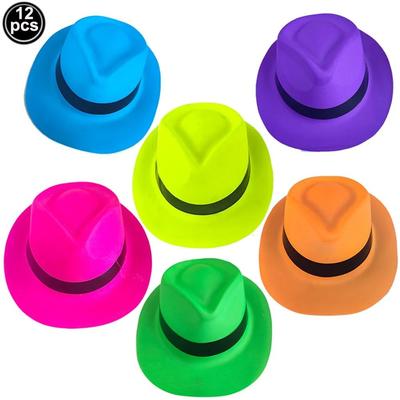
Uplift Picks Neon Party Fedora Hats Glow Bright Under UV Blacklight Party Celebrations hats (12 Pcs)Turn any dark party into a vibrant crowd moment with neon party hats designed to fluoresce under UV blacklight. Their bright colors stand out during dances, concerts, birthdays, and themed events while adding an easy costume accessory for guests....85,00 $*Shipping: 0,00 $Secure redirect to the provider
-
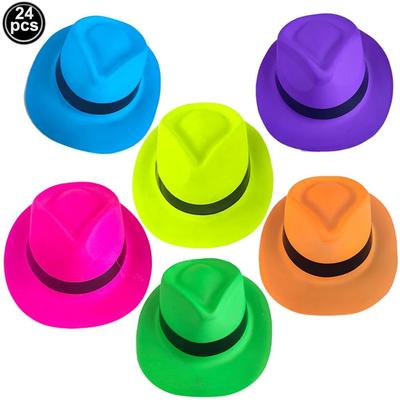
Uplift Picks Neon Party Fedora Hats Glow Bright Under UV Blacklight Party Celebrations hats (24 Pcs)Turn any dark party into a vibrant crowd moment with neon party hats designed to fluoresce under UV blacklight. Their bright colors stand out during dances, concerts, birthdays, and themed events while adding an easy costume accessory for guests....105,00 $*Shipping: 0,00 $Secure redirect to the provider
-
How can specific values be printed from a HashMap?
Specific values can be printed from a HashMap by using the get() method to retrieve the value associated with a specific key. For example, if we have a HashMap called map and we want to print the value associated with the key "key1", we can use map.get("key1") to retrieve and print the value. Additionally, we can use a loop to iterate through the keys and print their associated values. Another option is to use the values() method to get a Collection of all the values in the HashMap and then iterate through this collection to print the values. **
-
How do I generate keys for a Java HashMap?
To generate keys for a Java HashMap, you can use any object that implements the hashCode() and equals() methods. These methods are used to determine the hash code of the key and to check for equality between keys. You can use built-in Java classes like String or Integer as keys, or you can create your own custom class and override the hashCode() and equals() methods to define the behavior for generating and comparing keys. Once you have your keys, you can use the put() method to add key-value pairs to the HashMap. **
-
How do you read the value in a HashMap?
To read the value in a HashMap, you can use the get() method by passing the key for which you want to retrieve the value. For example, if you have a HashMap called map and you want to retrieve the value associated with the key "key1", you can use map.get("key1") to get the value. This method will return the value associated with the specified key, or null if the key is not present in the HashMap. **
-
How do you store players in a HashMap or ArrayList?
In a HashMap, players can be stored by using their unique identifier as the key and the player object as the value. This allows for quick retrieval of player information based on their identifier. In an ArrayList, players can be stored by simply adding them to the list. The position of the player in the ArrayList can be used to access and manipulate player information. Both data structures provide different ways to store and access player information based on the requirements of the application. **
* All prices are inclusive of VAT and, if applicable, plus shipping costs. The offer information is based on the details provided by the respective shop and is updated through automated processes. Real-time updates do not occur, so deviations can occur in individual cases. ** Note: Parts of this content were created by AI.