Buy mfsc.eu ?
We are moving the project
mfsc.eu .
Are you interested in purchasing the domain
mfsc.eu ?
domain@kv-gmbh.de · 0541-91531010
Buy mfsc.eu ?
Why did the officers of the World War mostly wear gloves?
Officers in World War I mostly wore gloves for practical reasons. Gloves helped protect their hands from the cold and harsh conditions in the trenches. They also provided some protection against injuries and blisters when handling weapons and equipment. Additionally, gloves were often part of the uniform and helped to distinguish officers from other soldiers. **
What can be done against sweaters and scarves that are shedding?
To reduce shedding in sweaters and scarves, you can try washing them inside out in cold water with a gentle detergent to help minimize the shedding. Additionally, using a fabric softener or conditioner during the wash can help to reduce static and keep the fibers in place. After washing, air dry the items instead of using a dryer, as the heat can cause more shedding. Finally, using a lint roller or a fabric shaver can help to remove any excess shedding from the garments. **
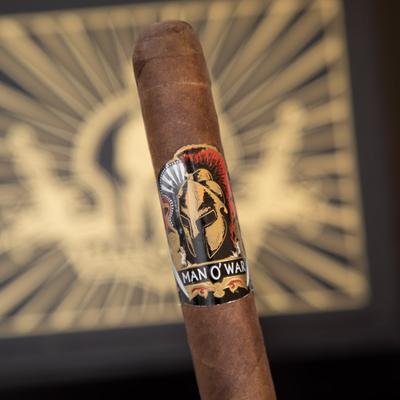

Similar search terms for War
Top-Angebote
Products related to War:

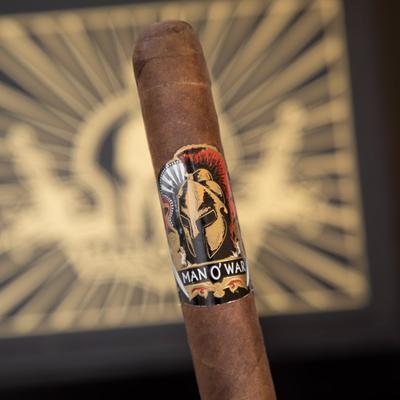
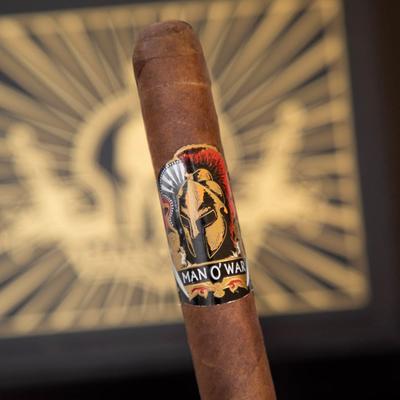
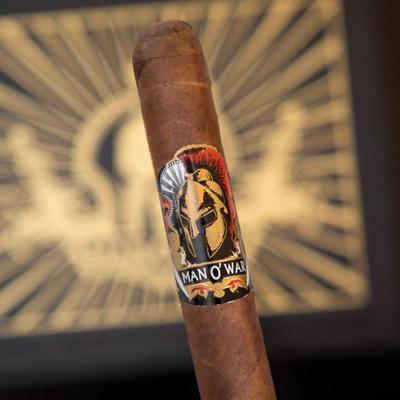
-
Do you find such sweaters and cardigans with color gradients eco-friendly?
Sweaters and cardigans with color gradients can be eco-friendly depending on how they are made. If they are produced using sustainable materials such as organic cotton, recycled fibers, or natural dyes, then they can be considered more environmentally friendly. Additionally, if the production process minimizes waste and pollution, it can further enhance the eco-friendliness of these garments. It is important to look for certifications or information about the brand's sustainability practices to determine the environmental impact of these items. **
-
Who knits sweaters or cardigans on request and please at affordable prices?
There are many independent knitters and small businesses that offer custom knitting services for sweaters or cardigans at affordable prices. You can find them on platforms like Etsy, Instagram, or local craft fairs. Many of these knitters are skilled artisans who can create beautiful, high-quality pieces tailored to your preferences. It's worth reaching out to these individuals or businesses to discuss your specific needs and budget. **
-
Was the Korean War a proxy war or a civil war?
The Korean War was a proxy war, as it was fought between the communist-backed North Korea and the capitalist-backed South Korea, with support and involvement from other major powers such as the United States, China, and the Soviet Union. The conflict was not solely an internal struggle within Korea, but rather a larger geopolitical struggle between the two opposing ideologies of communism and capitalism. The involvement of outside powers and the global implications of the war make it more accurately described as a proxy war rather than a civil war. **
-
What can be done about sweaters and scarves that are shedding lint?
To reduce lint shedding from sweaters and scarves, try washing them inside out to minimize friction. Use a lint roller or a fabric shaver to remove excess lint. Additionally, air dry the items instead of using a dryer, as heat can contribute to shedding. Finally, store the garments in a cool, dry place to prevent further lint accumulation. **
Is the First World War a modern war?
Yes, the First World War is considered a modern war due to the use of advanced technology and tactics that were unprecedented at the time. The war saw the introduction of new weapons such as tanks, airplanes, and chemical warfare, which changed the nature of warfare. Additionally, the scale of the conflict involving multiple countries and resulting in millions of casualties marked a departure from previous wars in terms of its global impact and devastation. Overall, the First World War is seen as a turning point in military history towards modern warfare. **
What is the motto of Wallenstein: "War feeds war" in the Thirty Years' War?
The motto "War feeds war" reflects the strategy of Wallenstein, a prominent military leader in the Thirty Years' War. It suggests that the continuation of war is necessary for its sustenance, as it provides resources, power, and opportunities for those involved in the conflict. This motto encapsulates the idea that war perpetuates itself, creating a cycle of violence and destruction. Wallenstein's approach to warfare was characterized by aggressive tactics and a focus on maintaining and expanding his military influence, making this motto a fitting representation of his approach to the conflict. **
Top-Angebote
Products related to War:
-
Why did the officers of the World War mostly wear gloves?
Officers in World War I mostly wore gloves for practical reasons. Gloves helped protect their hands from the cold and harsh conditions in the trenches. They also provided some protection against injuries and blisters when handling weapons and equipment. Additionally, gloves were often part of the uniform and helped to distinguish officers from other soldiers. **
-
What can be done against sweaters and scarves that are shedding?
To reduce shedding in sweaters and scarves, you can try washing them inside out in cold water with a gentle detergent to help minimize the shedding. Additionally, using a fabric softener or conditioner during the wash can help to reduce static and keep the fibers in place. After washing, air dry the items instead of using a dryer, as the heat can cause more shedding. Finally, using a lint roller or a fabric shaver can help to remove any excess shedding from the garments. **
-
Do you find such sweaters and cardigans with color gradients eco-friendly?
Sweaters and cardigans with color gradients can be eco-friendly depending on how they are made. If they are produced using sustainable materials such as organic cotton, recycled fibers, or natural dyes, then they can be considered more environmentally friendly. Additionally, if the production process minimizes waste and pollution, it can further enhance the eco-friendliness of these garments. It is important to look for certifications or information about the brand's sustainability practices to determine the environmental impact of these items. **
-
Who knits sweaters or cardigans on request and please at affordable prices?
There are many independent knitters and small businesses that offer custom knitting services for sweaters or cardigans at affordable prices. You can find them on platforms like Etsy, Instagram, or local craft fairs. Many of these knitters are skilled artisans who can create beautiful, high-quality pieces tailored to your preferences. It's worth reaching out to these individuals or businesses to discuss your specific needs and budget. **
Similar search terms for War
-
Was the Korean War a proxy war or a civil war?
The Korean War was a proxy war, as it was fought between the communist-backed North Korea and the capitalist-backed South Korea, with support and involvement from other major powers such as the United States, China, and the Soviet Union. The conflict was not solely an internal struggle within Korea, but rather a larger geopolitical struggle between the two opposing ideologies of communism and capitalism. The involvement of outside powers and the global implications of the war make it more accurately described as a proxy war rather than a civil war. **
-
What can be done about sweaters and scarves that are shedding lint?
To reduce lint shedding from sweaters and scarves, try washing them inside out to minimize friction. Use a lint roller or a fabric shaver to remove excess lint. Additionally, air dry the items instead of using a dryer, as heat can contribute to shedding. Finally, store the garments in a cool, dry place to prevent further lint accumulation. **
-
Is the First World War a modern war?
Yes, the First World War is considered a modern war due to the use of advanced technology and tactics that were unprecedented at the time. The war saw the introduction of new weapons such as tanks, airplanes, and chemical warfare, which changed the nature of warfare. Additionally, the scale of the conflict involving multiple countries and resulting in millions of casualties marked a departure from previous wars in terms of its global impact and devastation. Overall, the First World War is seen as a turning point in military history towards modern warfare. **
-
What is the motto of Wallenstein: "War feeds war" in the Thirty Years' War?
The motto "War feeds war" reflects the strategy of Wallenstein, a prominent military leader in the Thirty Years' War. It suggests that the continuation of war is necessary for its sustenance, as it provides resources, power, and opportunities for those involved in the conflict. This motto encapsulates the idea that war perpetuates itself, creating a cycle of violence and destruction. Wallenstein's approach to warfare was characterized by aggressive tactics and a focus on maintaining and expanding his military influence, making this motto a fitting representation of his approach to the conflict. **
* All prices are inclusive of VAT and, if applicable, plus shipping costs. The offer information is based on the details provided by the respective shop and is updated through automated processes. Real-time updates do not occur, so deviations can occur in individual cases. ** Note: Parts of this content were created by AI.