Buy mfsc.eu ?
We are moving the project
mfsc.eu .
Are you interested in purchasing the domain
mfsc.eu ?
domain@kv-gmbh.de · 0541-91531010
Buy mfsc.eu ?
What distinguishes all types of bonding: ionic bonding, metallic bonding, and covalent bonding?
Ionic bonding involves the transfer of electrons from one atom to another, resulting in the formation of positively and negatively charged ions that are attracted to each other. Metallic bonding involves the sharing of electrons among a sea of delocalized electrons, creating a "sea of electrons" that holds the metal atoms together. Covalent bonding involves the sharing of electrons between atoms, resulting in the formation of molecules. Despite their differences, all types of bonding involve the interaction of electrons between atoms to form stable chemical compounds. **
What distinguishes all types of chemical bonding: ionic bonding, metallic bonding, and covalent bonding?
The main distinction among the three types of chemical bonding lies in the way atoms are held together. In ionic bonding, atoms transfer electrons to achieve a stable electron configuration. Metallic bonding involves a sea of delocalized electrons shared among a lattice of metal atoms. Covalent bonding, on the other hand, involves the sharing of electrons between atoms to achieve a stable electron configuration. Each type of bonding results in different properties and behaviors of the substances formed. **
Similar search terms for Bondbar-Bonding-Essential-Kit
Top-Angebote
Products related to Bondbar-Bonding-Essential-Kit:
-
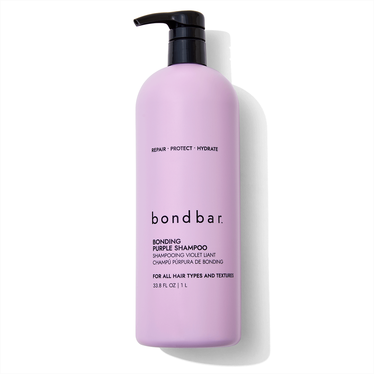
Bondbar Bonding Shampoo 33.8 oz 33.8 Fl Ozbondbar Bonding Shampoo gently cleanses, protects, repairs and hydrates all hair types and textures — making it the perfect addition to your wash-day routine. It also restores much-needed moisture, adds stunning shine and prevents frizz and flyaways...32,99 $*Shipping: 0,00 $Secure redirect to the provider
-
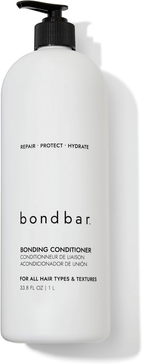
Bondbar Bonding Conditioner 33.8 oz 33.8 Fl Ozbondbar is a bond building repair system that helps to protect, strengthen and hydrate hair.A moisturizing and reparative Conditioner that leaves hair shiny and feeling healthier.When used as part of the Bondbar system, reduces breakage during...32,99 $*Shipping: 0,00 $Secure redirect to the provider
-
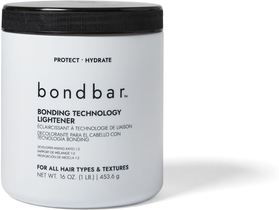
Bondbar Bonding Technology Lightener Tub 16 oz 16 Ozbondbar Bonding Technology Lightener is an innovative formula designed to protect and hydrate hair bonds during the lightening process. Compared to traditional lighteners, this on- and off-scalp powder formula reduces the potential for damage and...25,49 $*Shipping: 0,00 $Secure redirect to the provider

-
What are examples of ionic bonding, covalent bonding, and metallic bonding?
Ionic bonding occurs when one atom transfers electrons to another, resulting in the formation of positively and negatively charged ions that are attracted to each other. An example of ionic bonding is the bond between sodium and chlorine in sodium chloride (table salt). Covalent bonding occurs when atoms share electrons to achieve a full outer shell. An example of covalent bonding is the bond between two hydrogen atoms in a molecule of hydrogen gas (H2). Metallic bonding occurs in metals, where the outer electrons of the atoms are delocalized and free to move throughout the structure, creating a "sea" of electrons that hold the metal atoms together. An example of metallic bonding is the bond between atoms in a piece of copper metal. **
-
What is the difference between ionic bonding, covalent bonding, and metallic bonding?
Ionic bonding involves the transfer of electrons from one atom to another, resulting in the formation of positively and negatively charged ions that are held together by electrostatic forces. Covalent bonding involves the sharing of electrons between atoms to achieve a stable electron configuration. Metallic bonding occurs in metals, where electrons are delocalized and free to move throughout the material, creating a "sea of electrons" that hold the metal atoms together. Each type of bonding results in different properties and behaviors of the substances involved. **
-
Who is familiar with chemistry in ionic bonding, metallic bonding, and molecular bonding?
Individuals who have studied chemistry at a high school or college level are likely to be familiar with ionic bonding, metallic bonding, and molecular bonding. This includes students, teachers, and professionals in the fields of chemistry, chemical engineering, and materials science. Additionally, those who have a general interest in science and have taken courses or done independent study in chemistry may also have knowledge of these types of chemical bonding. **
-
What are essential and non-essential needs?
Essential needs are items or services that are necessary for survival and well-being, such as food, water, shelter, and healthcare. Non-essential needs are things that are not necessary for survival but can enhance quality of life, such as entertainment, luxury items, and travel. Distinguishing between essential and non-essential needs can help individuals prioritize their spending and focus on what is most important for their overall well-being. **


What are essential and non-essential amino acids?
Essential amino acids are amino acids that cannot be synthesized by the body and must be obtained from the diet. There are nine essential amino acids: histidine, isoleucine, leucine, lysine, methionine, phenylalanine, threonine, tryptophan, and valine. Non-essential amino acids, on the other hand, are amino acids that the body can produce on its own, so they do not need to be obtained from the diet. There are 11 non-essential amino acids: alanine, arginine, asparagine, aspartic acid, cysteine, glutamic acid, glutamine, glycine, proline, serine, and tyrosine. Both essential and non-essential amino acids are crucial for the synthesis of proteins and other important molecules in the body. **
What is the difference between covalent bonding and ionic bonding?
Covalent bonding involves the sharing of electrons between atoms to achieve a stable electron configuration, typically between nonmetals. Ionic bonding involves the transfer of electrons from one atom to another, resulting in the formation of positively and negatively charged ions that are attracted to each other, typically between a metal and a nonmetal. In covalent bonding, the atoms involved have similar electronegativities, while in ionic bonding, there is a significant difference in electronegativities between the atoms. **
Top-Angebote
Products related to Bondbar-Bonding-Essential-Kit:
-
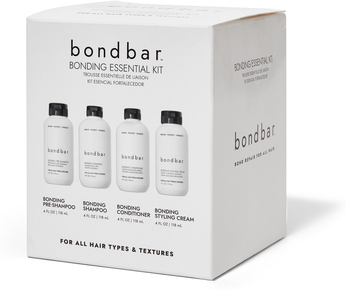
Bondbar Bonding Essential Kitbondbar Bonding Essentials Kit comes with everything you need to kickstart your healthy hair care routine. It includes bondbar Bonding Pre-Shampoo, bondbar Bonding Shampoo, bondbar Bonding Conditioner and bondbar Bonding Styling Cream. Hair is made...29,99 $*Shipping: 0,00 $Secure redirect to the provider
-
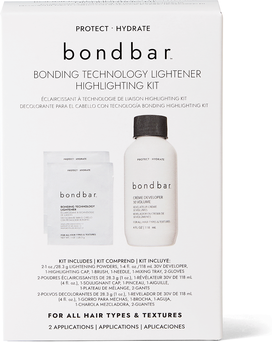
Bondbar Bonding Technology Lightener Highlighting Kit eachbondbar Bonding Technology Lightener Highlighting Kit provides the current bondbar Bonding Technology Lightener and 30v Creme Developer, designed to protect and hydrate hair bonds during the lightening process. Compared to traditional lighteners,...22,89 $*Shipping: 0,00 $Secure redirect to the provider
-
Bondbar Bonding Shampoo 33.8 oz 33.8 Fl Ozbondbar Bonding Shampoo gently cleanses, protects, repairs and hydrates all hair types and textures — making it the perfect addition to your wash-day routine. It also restores much-needed moisture, adds stunning shine and prevents frizz and flyaways...32,99 $*Shipping: 0,00 $Secure redirect to the provider
-
What distinguishes all types of bonding: ionic bonding, metallic bonding, and covalent bonding?
Ionic bonding involves the transfer of electrons from one atom to another, resulting in the formation of positively and negatively charged ions that are attracted to each other. Metallic bonding involves the sharing of electrons among a sea of delocalized electrons, creating a "sea of electrons" that holds the metal atoms together. Covalent bonding involves the sharing of electrons between atoms, resulting in the formation of molecules. Despite their differences, all types of bonding involve the interaction of electrons between atoms to form stable chemical compounds. **
-
What distinguishes all types of chemical bonding: ionic bonding, metallic bonding, and covalent bonding?
The main distinction among the three types of chemical bonding lies in the way atoms are held together. In ionic bonding, atoms transfer electrons to achieve a stable electron configuration. Metallic bonding involves a sea of delocalized electrons shared among a lattice of metal atoms. Covalent bonding, on the other hand, involves the sharing of electrons between atoms to achieve a stable electron configuration. Each type of bonding results in different properties and behaviors of the substances formed. **
-
What are examples of ionic bonding, covalent bonding, and metallic bonding?
Ionic bonding occurs when one atom transfers electrons to another, resulting in the formation of positively and negatively charged ions that are attracted to each other. An example of ionic bonding is the bond between sodium and chlorine in sodium chloride (table salt). Covalent bonding occurs when atoms share electrons to achieve a full outer shell. An example of covalent bonding is the bond between two hydrogen atoms in a molecule of hydrogen gas (H2). Metallic bonding occurs in metals, where the outer electrons of the atoms are delocalized and free to move throughout the structure, creating a "sea" of electrons that hold the metal atoms together. An example of metallic bonding is the bond between atoms in a piece of copper metal. **
-
What is the difference between ionic bonding, covalent bonding, and metallic bonding?
Ionic bonding involves the transfer of electrons from one atom to another, resulting in the formation of positively and negatively charged ions that are held together by electrostatic forces. Covalent bonding involves the sharing of electrons between atoms to achieve a stable electron configuration. Metallic bonding occurs in metals, where electrons are delocalized and free to move throughout the material, creating a "sea of electrons" that hold the metal atoms together. Each type of bonding results in different properties and behaviors of the substances involved. **
Similar search terms for Bondbar-Bonding-Essential-Kit
-
Bondbar Bonding Conditioner 33.8 oz 33.8 Fl Ozbondbar is a bond building repair system that helps to protect, strengthen and hydrate hair.A moisturizing and reparative Conditioner that leaves hair shiny and feeling healthier.When used as part of the Bondbar system, reduces breakage during...32,99 $*Shipping: 0,00 $Secure redirect to the provider
-
Bondbar Bonding Technology Lightener Tub 16 oz 16 Ozbondbar Bonding Technology Lightener is an innovative formula designed to protect and hydrate hair bonds during the lightening process. Compared to traditional lighteners, this on- and off-scalp powder formula reduces the potential for damage and...25,49 $*Shipping: 0,00 $Secure redirect to the provider
-
Raw Naturals Essential kitAll the essentials, in one gorgeous bag. The Raw Naturals exclusive limited edition kit includes Pale Ale Shower Gel, Universal Face Cream, Goof Proof Deodorant and exclusive canvas washbag. Pale Ale Shower Gel: This mild, refreshing shower brew takes your shower experience to the next level. It transforms into an airy lather and rinses off smoothly, leaving your body and hair thoroughly cleansed, and perfumed to perfection. Universal Face Cream: Hit refresh with this multi-function face cream that energises, strengthens, and hydrates your skin. Use it every day for naturally smooth skin that looks good and feels great. Goof Proof Deodorant: This highly effective deodorant/antiperspirant provides flawless long-lasting sweat and odour control. The skin-friendly formula is extremely gentle on sensitive skin and absorbs quickly. Non-staining. Non-stick.24,55 £*Shipping: 0,00 £Secure redirect to the provider
-
Beviro The Essential Hair Care Kit hair accessories kitBeviro The Essential Hair Care Kit, 2 pc, Men’s hair care sets unisex, All you need for beautiful looking hair in one package. This beauty gift set from BeviroThe EssentialHair Care Kit contains not one, but several products that will help create or enrich your regular hair care routine. A gift set full of hair care products will delight you or your loved ones as a gift. The set contains: Ultra Gentle shampoo for men with aloe vera 250 ml Characteristics: for perfect hair styling for all hair types amazing as a gift for regeneration and nourishment of your hair How to use: Use every product from the cosmetic set according to the instructions.32,40 £*Shipping: 3,99 £Secure redirect to the provider
-
Who is familiar with chemistry in ionic bonding, metallic bonding, and molecular bonding?
Individuals who have studied chemistry at a high school or college level are likely to be familiar with ionic bonding, metallic bonding, and molecular bonding. This includes students, teachers, and professionals in the fields of chemistry, chemical engineering, and materials science. Additionally, those who have a general interest in science and have taken courses or done independent study in chemistry may also have knowledge of these types of chemical bonding. **
-
What are essential and non-essential needs?
Essential needs are items or services that are necessary for survival and well-being, such as food, water, shelter, and healthcare. Non-essential needs are things that are not necessary for survival but can enhance quality of life, such as entertainment, luxury items, and travel. Distinguishing between essential and non-essential needs can help individuals prioritize their spending and focus on what is most important for their overall well-being. **
-
What are essential and non-essential amino acids?
Essential amino acids are amino acids that cannot be synthesized by the body and must be obtained from the diet. There are nine essential amino acids: histidine, isoleucine, leucine, lysine, methionine, phenylalanine, threonine, tryptophan, and valine. Non-essential amino acids, on the other hand, are amino acids that the body can produce on its own, so they do not need to be obtained from the diet. There are 11 non-essential amino acids: alanine, arginine, asparagine, aspartic acid, cysteine, glutamic acid, glutamine, glycine, proline, serine, and tyrosine. Both essential and non-essential amino acids are crucial for the synthesis of proteins and other important molecules in the body. **
-
What is the difference between covalent bonding and ionic bonding?
Covalent bonding involves the sharing of electrons between atoms to achieve a stable electron configuration, typically between nonmetals. Ionic bonding involves the transfer of electrons from one atom to another, resulting in the formation of positively and negatively charged ions that are attracted to each other, typically between a metal and a nonmetal. In covalent bonding, the atoms involved have similar electronegativities, while in ionic bonding, there is a significant difference in electronegativities between the atoms. **
* All prices are inclusive of VAT and, if applicable, plus shipping costs. The offer information is based on the details provided by the respective shop and is updated through automated processes. Real-time updates do not occur, so deviations can occur in individual cases. ** Note: Parts of this content were created by AI.