Buy mfsc.eu ?
We are moving the project
mfsc.eu .
Are you interested in purchasing the domain
mfsc.eu ?
domain@kv-gmbh.de · 0541-91531010
Buy mfsc.eu ?
Are figs carnivorous plants?
No, figs are not carnivorous plants. Figs are actually a type of fruit that grows on the Ficus tree. They are not capable of trapping, killing, and digesting insects or other small animals like true carnivorous plants such as Venus flytraps or pitcher plants. Figs rely on animals to help with pollination and dispersal of their seeds, but they do not consume animals for nutrients. **
Are there carnivorous monkeys?
Yes, there are carnivorous monkeys. One example is the rare and endangered Colombian white-faced capuchin, which has been observed hunting and eating small mammals such as squirrels and birds. Another example is the black-capped capuchin, which has been observed hunting and eating small vertebrates like birds, lizards, and even bats. While most monkeys are primarily herbivorous, there are some species that have been observed exhibiting carnivorous behavior. **


Similar search terms for Carnivorous
Top-Angebote
Products related to Carnivorous:
-
Uplift Treasures Halloween Hanging Witch Hats Set For Indoor And Outdoor Decorations 12pcs HatsProduct Description: Transform your home into a magical Halloween scene with these hanging black witch hats. Each hat comes with a hanging rope, making it easy to create the popular floating hat effect on porches, ceilings, trees, and party spaces....67,97 $*Shipping: 0,00 $Secure redirect to the provider
-
Uplift Picks Neon Party Fedora Hats Glow Bright Under UV Blacklight Party Celebrations hats (6 Pcs)Turn any dark party into a vibrant crowd moment with neon party hats designed to fluoresce under UV blacklight. Their bright colors stand out during dances, concerts, birthdays, and themed events while adding an easy costume accessory for guests....63,00 $*Shipping: 0,00 $Secure redirect to the provider
-
Inspired Living Floating Witch Hats Halloween Hanging Decorations 6 12 Piece Black Witch Hat Set 6pcs HatsTurn your home into an enchanting Halloween scene with hanging witch hats that appear to float overhead. These classic black hats add instant spooky charm to porches, ceilings, trees, entryways, and party spaces. Designed for anyone who loves easy,...23,97 $*Shipping: 0,00 $Secure redirect to the provider
-
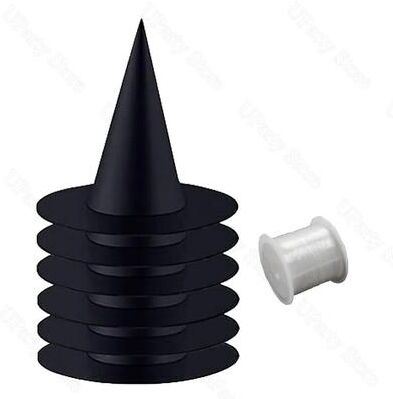
Uplift Treasures Halloween Hanging Witch Hats Set For Indoor And Outdoor Decorations 6pcs HatsProduct Description: Transform your home into a magical Halloween scene with these hanging black witch hats. Each hat comes with a hanging rope, making it easy to create the popular floating hat effect on porches, ceilings, trees, and party spaces....46,97 $*Shipping: 0,00 $Secure redirect to the provider


-
Can carnivorous plants poop?
Carnivorous plants do not have a digestive system like animals do, so they do not produce waste in the same way. Instead, they absorb nutrients from the insects and other small organisms they capture and digest. Any undigested parts of their prey are typically left as a husk or excreted in a form that does not resemble animal waste. Therefore, carnivorous plants do not "poop" in the traditional sense. **
-
What are carnivorous animals?
Carnivorous animals are animals that primarily feed on the flesh of other animals. They have evolved to have sharp teeth and claws for hunting and killing prey. Examples of carnivorous animals include lions, tigers, wolves, and eagles. These animals play an important role in maintaining the balance of ecosystems by controlling the population of herbivorous animals. **
-
Representative species of carnivorous plants
Some representative species of carnivorous plants include: 1. Venus flytrap (Dionaea muscipula) 2. Pitcher plant (Nepenthes spp.) 3. Sundew (Drosera spp.) 4. Bladderwort (Utricularia spp.) 5. Cobra plant (Darlingtonia californica) **
-
Do plants eat carnivorous animals?
No, plants do not eat carnivorous animals. Carnivorous plants, such as Venus flytraps and pitcher plants, have evolved to capture and digest small insects and other organisms as a way to supplement their nutrient intake, particularly in nutrient-poor environments. However, they do not actively seek out and consume larger carnivorous animals. Plants primarily obtain their nutrients through photosynthesis and absorption from the soil. **


"Will my carnivorous plant die?"
Carnivorous plants can die if they are not properly cared for. It is important to provide them with the right growing conditions, such as the right soil, water, and sunlight. Additionally, feeding them the appropriate insects or using a fertilizer specifically designed for carnivorous plants can help ensure their survival. Regular monitoring and maintenance are also important to keep the plant healthy and thriving. **
What is a carnivorous plant?
A carnivorous plant is a type of plant that has adapted to supplement its nutrient intake by trapping and digesting small animals, usually insects. These plants have evolved to grow in environments with poor soil quality, so they have developed the ability to obtain essential nutrients from the bodies of their prey. Carnivorous plants have specialized structures, such as sticky or snap traps, to capture their prey and enzymes to break down the animal's tissues for absorption. Some well-known examples of carnivorous plants include Venus flytraps, pitcher plants, and sundews. **
Top-Angebote
Products related to Carnivorous:
-
Kringle Candle Knit Sweaters wax melt 64 gKringle Candle Knit Sweaters, 64 g, Wax Melts for Aroma Lamps Home Scents, A fragrance can add character to a room just the way designer accessories do. The Kringle Candle Knit Sweaters wax melt is a stylish way of adding a distinctive fragrance to your home. On melting, it releases an intense aroma that enhances the atmosphere and creates a sense of calm and well-being. The practical design also makes it easy to control the intensity to your liking. How to use: Never leave melted wax in the aroma lamp unattended or in the vicinity of easily flammable items. Do not leave the product within the reach of children or pets.4,50 £*Shipping: 3,99 £Secure redirect to the provider
-
Kringle Candle Knit Sweaters tealight candle 42 gKringle Candle Knit Sweaters, 42 g, Scented Candles Home Scents, The Kringle Candle Knit Sweaters tealight creates an atmosphere for every romantic dinner or regular evening. A candle placed in a candlestick becomes a home accessory and gives your smaller rooms a pleasant scent. A combination of several fragrances allows you to create a fragrant experience to your liking. Characteristics: a warm fragrance3,30 £*Shipping: 3,99 £Secure redirect to the provider
-
Uplift Treasures Halloween Hanging Witch Hats Set For Indoor And Outdoor Decorations 12pcs HatsProduct Description: Transform your home into a magical Halloween scene with these hanging black witch hats. Each hat comes with a hanging rope, making it easy to create the popular floating hat effect on porches, ceilings, trees, and party spaces....67,97 $*Shipping: 0,00 $Secure redirect to the provider
-
Uplift Picks Neon Party Fedora Hats Glow Bright Under UV Blacklight Party Celebrations hats (6 Pcs)Turn any dark party into a vibrant crowd moment with neon party hats designed to fluoresce under UV blacklight. Their bright colors stand out during dances, concerts, birthdays, and themed events while adding an easy costume accessory for guests....63,00 $*Shipping: 0,00 $Secure redirect to the provider
-
Are figs carnivorous plants?
No, figs are not carnivorous plants. Figs are actually a type of fruit that grows on the Ficus tree. They are not capable of trapping, killing, and digesting insects or other small animals like true carnivorous plants such as Venus flytraps or pitcher plants. Figs rely on animals to help with pollination and dispersal of their seeds, but they do not consume animals for nutrients. **
-
Are there carnivorous monkeys?
Yes, there are carnivorous monkeys. One example is the rare and endangered Colombian white-faced capuchin, which has been observed hunting and eating small mammals such as squirrels and birds. Another example is the black-capped capuchin, which has been observed hunting and eating small vertebrates like birds, lizards, and even bats. While most monkeys are primarily herbivorous, there are some species that have been observed exhibiting carnivorous behavior. **
-
Can carnivorous plants poop?
Carnivorous plants do not have a digestive system like animals do, so they do not produce waste in the same way. Instead, they absorb nutrients from the insects and other small organisms they capture and digest. Any undigested parts of their prey are typically left as a husk or excreted in a form that does not resemble animal waste. Therefore, carnivorous plants do not "poop" in the traditional sense. **
-
What are carnivorous animals?
Carnivorous animals are animals that primarily feed on the flesh of other animals. They have evolved to have sharp teeth and claws for hunting and killing prey. Examples of carnivorous animals include lions, tigers, wolves, and eagles. These animals play an important role in maintaining the balance of ecosystems by controlling the population of herbivorous animals. **
Similar search terms for Carnivorous
-
Inspired Living Floating Witch Hats Halloween Hanging Decorations 6 12 Piece Black Witch Hat Set 6pcs HatsTurn your home into an enchanting Halloween scene with hanging witch hats that appear to float overhead. These classic black hats add instant spooky charm to porches, ceilings, trees, entryways, and party spaces. Designed for anyone who loves easy,...23,97 $*Shipping: 0,00 $Secure redirect to the provider
-
Uplift Treasures Halloween Hanging Witch Hats Set For Indoor And Outdoor Decorations 6pcs HatsProduct Description: Transform your home into a magical Halloween scene with these hanging black witch hats. Each hat comes with a hanging rope, making it easy to create the popular floating hat effect on porches, ceilings, trees, and party spaces....46,97 $*Shipping: 0,00 $Secure redirect to the provider
-
Uplift Picks Neon Party Fedora Hats Glow Bright Under UV Blacklight Party Celebrations hats (12 Pcs)Turn any dark party into a vibrant crowd moment with neon party hats designed to fluoresce under UV blacklight. Their bright colors stand out during dances, concerts, birthdays, and themed events while adding an easy costume accessory for guests....85,00 $*Shipping: 0,00 $Secure redirect to the provider
-
Uplift Picks Neon Party Fedora Hats Glow Bright Under UV Blacklight Party Celebrations hats (24 Pcs)Turn any dark party into a vibrant crowd moment with neon party hats designed to fluoresce under UV blacklight. Their bright colors stand out during dances, concerts, birthdays, and themed events while adding an easy costume accessory for guests....105,00 $*Shipping: 0,00 $Secure redirect to the provider
-
Representative species of carnivorous plants
Some representative species of carnivorous plants include: 1. Venus flytrap (Dionaea muscipula) 2. Pitcher plant (Nepenthes spp.) 3. Sundew (Drosera spp.) 4. Bladderwort (Utricularia spp.) 5. Cobra plant (Darlingtonia californica) **
-
Do plants eat carnivorous animals?
No, plants do not eat carnivorous animals. Carnivorous plants, such as Venus flytraps and pitcher plants, have evolved to capture and digest small insects and other organisms as a way to supplement their nutrient intake, particularly in nutrient-poor environments. However, they do not actively seek out and consume larger carnivorous animals. Plants primarily obtain their nutrients through photosynthesis and absorption from the soil. **
-
"Will my carnivorous plant die?"
Carnivorous plants can die if they are not properly cared for. It is important to provide them with the right growing conditions, such as the right soil, water, and sunlight. Additionally, feeding them the appropriate insects or using a fertilizer specifically designed for carnivorous plants can help ensure their survival. Regular monitoring and maintenance are also important to keep the plant healthy and thriving. **
-
What is a carnivorous plant?
A carnivorous plant is a type of plant that has adapted to supplement its nutrient intake by trapping and digesting small animals, usually insects. These plants have evolved to grow in environments with poor soil quality, so they have developed the ability to obtain essential nutrients from the bodies of their prey. Carnivorous plants have specialized structures, such as sticky or snap traps, to capture their prey and enzymes to break down the animal's tissues for absorption. Some well-known examples of carnivorous plants include Venus flytraps, pitcher plants, and sundews. **
* All prices are inclusive of VAT and, if applicable, plus shipping costs. The offer information is based on the details provided by the respective shop and is updated through automated processes. Real-time updates do not occur, so deviations can occur in individual cases. ** Note: Parts of this content were created by AI.