Buy mfsc.eu ?
We are moving the project
mfsc.eu .
Are you interested in purchasing the domain
mfsc.eu ?
domain@kv-gmbh.de · 0541-91531010
Buy mfsc.eu ?
Iron or cast iron pan?
It depends on the type of cooking you are doing. Iron pans are lighter and heat up faster, making them great for sautéing and frying. Cast iron pans, on the other hand, are heavier and retain heat well, making them ideal for searing and baking. Both types of pans have their own advantages, so it's best to have both in your kitchen for different cooking needs. **
Can cast iron rust?
Yes, cast iron can rust. When exposed to moisture and oxygen, cast iron can develop rust, which is a form of iron oxide. To prevent rusting, it is important to properly season and maintain cast iron cookware by keeping it dry, seasoning it regularly, and storing it in a dry place. Regularly cleaning and oiling the cast iron can also help prevent rust from forming. **


Similar search terms for Cheungs-Gold-Cast-Iron
Top-Angebote
Products related to Cheungs-Gold-Cast-Iron:
-
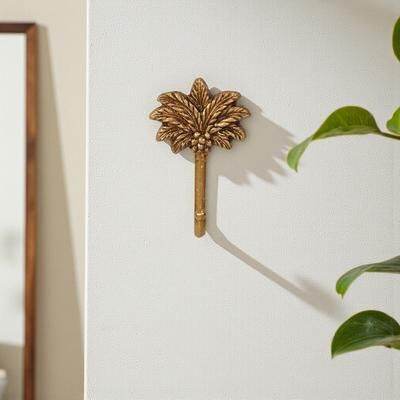
Cheungs Theira Palm Tree Gold Cast Iron Wall Hook - N/AHandcrafted from durable cast metal, this gold palm tree wall hook brings a touch of tropical charm to everyday organization. The sleek silhouette adds visual interest while the polished gold finish creates a warm, modern look.21,09 $*Shipping: 0,00 $Secure redirect to the provider
-
Cheungs "Hypatia 5.75"" Cast Iron Lily Pad Catchall Tray - Gold - N/A"The Hypatia Cast Iron Lily Pad Catchall Tray is crafted from durable cast iron with a handcrafted finish, showcasing a modern lily pad motif with minimalist elegance. Measuring 5.75 inches, it fits perfectly on tables, shelves, or vanities.23,99 $*Shipping: 0,00 $Secure redirect to the provider
-
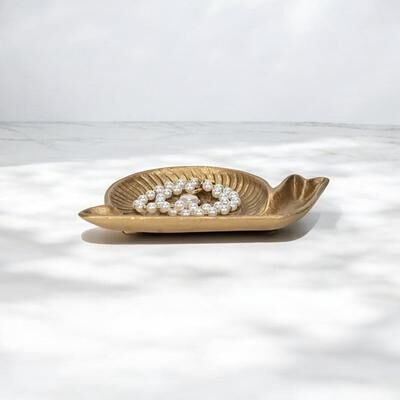
Cheungs Verdor Golden Snail Cast Iron Catchall TrayBring elegance and nature together with the Verdor Golden Snail Cast Iron Catchall Tray. This 7.25-inch tray, handcrafted from durable metal, features a delightful snail motif with a rich gold finish.20,98 $*Shipping: 0,00 $Secure redirect to the provider

-
How is cast iron used?
Cast iron is commonly used in the manufacturing of cookware such as skillets, pans, and Dutch ovens due to its excellent heat retention and distribution properties. It is also used in the construction industry for items like pipes, gutters, and manhole covers due to its durability and strength. Additionally, cast iron is used in the automotive industry for engine blocks and cylinder heads because of its ability to withstand high temperatures. **
-
Are cast iron pans harmful?
Cast iron pans are generally safe to use for cooking. In fact, they can even provide some health benefits by adding small amounts of iron to your food. However, if the pan is not properly seasoned or maintained, it can potentially leach iron into your food in excessive amounts, which may not be suitable for everyone. It is important to properly season and care for your cast iron pan to ensure its safety for cooking. **
-
Is cast iron an alloy?
Yes, cast iron is considered an alloy. It is made by melting together iron and other elements, such as carbon and silicon, to create a material with specific properties. The addition of these elements changes the structure and characteristics of the iron, making it stronger and more resistant to wear and corrosion. **
-
What is the difference between iron and cast iron?
Iron is a chemical element with the symbol Fe and atomic number 26. It is a pure metal that is malleable and ductile. Cast iron, on the other hand, is a type of iron that contains higher amounts of carbon and silicon, making it more brittle and less malleable than pure iron. Cast iron is typically used for casting processes, such as in the production of cookware and engine blocks, due to its ability to be easily molded into complex shapes. **

How healthy are cast iron pans?
Cast iron pans are considered a healthy option for cooking as they are chemical-free and do not leach harmful substances into food. They also add small amounts of iron to your food, which can be beneficial for those who are iron deficient. However, it is important to properly season and maintain cast iron pans to prevent rust and maintain their non-stick properties. Overall, using cast iron pans in moderation as part of a balanced diet can be a healthy choice. **
How can you glue cast iron?
To glue cast iron, you will need to use a high-strength epoxy adhesive specifically designed for metal bonding. Make sure to clean the surface of the cast iron thoroughly to remove any dirt, grease, or rust before applying the adhesive. Apply the epoxy according to the manufacturer's instructions and allow it to cure for the recommended time. Once the adhesive has fully cured, the bond should be strong enough to hold the cast iron pieces together. Keep in mind that while epoxy can provide a strong bond, it may not be suitable for load-bearing or high-temperature applications. **
Top-Angebote
Products related to Cheungs-Gold-Cast-Iron:
-
Cheungs Gold Cast Iron PineappleDescription: Accent your home and space with a wonderful stylish accent piece. From shelves to dining tables, entryways to bedrooms, smaller decor pieces have found their way into spaces that need a finishing touch of flair or design.64,48 $*Shipping: 0,00 $Secure redirect to the provider
-
Cheungs Theira Palm Tree Gold Cast Iron Wall Hook - N/AHandcrafted from durable cast metal, this gold palm tree wall hook brings a touch of tropical charm to everyday organization. The sleek silhouette adds visual interest while the polished gold finish creates a warm, modern look.21,09 $*Shipping: 0,00 $Secure redirect to the provider
-
Iron or cast iron pan?
It depends on the type of cooking you are doing. Iron pans are lighter and heat up faster, making them great for sautéing and frying. Cast iron pans, on the other hand, are heavier and retain heat well, making them ideal for searing and baking. Both types of pans have their own advantages, so it's best to have both in your kitchen for different cooking needs. **
-
Can cast iron rust?
Yes, cast iron can rust. When exposed to moisture and oxygen, cast iron can develop rust, which is a form of iron oxide. To prevent rusting, it is important to properly season and maintain cast iron cookware by keeping it dry, seasoning it regularly, and storing it in a dry place. Regularly cleaning and oiling the cast iron can also help prevent rust from forming. **
-
How is cast iron used?
Cast iron is commonly used in the manufacturing of cookware such as skillets, pans, and Dutch ovens due to its excellent heat retention and distribution properties. It is also used in the construction industry for items like pipes, gutters, and manhole covers due to its durability and strength. Additionally, cast iron is used in the automotive industry for engine blocks and cylinder heads because of its ability to withstand high temperatures. **
-
Are cast iron pans harmful?
Cast iron pans are generally safe to use for cooking. In fact, they can even provide some health benefits by adding small amounts of iron to your food. However, if the pan is not properly seasoned or maintained, it can potentially leach iron into your food in excessive amounts, which may not be suitable for everyone. It is important to properly season and care for your cast iron pan to ensure its safety for cooking. **
Similar search terms for Cheungs-Gold-Cast-Iron
-
Cheungs "Hypatia 5.75"" Cast Iron Lily Pad Catchall Tray - Gold - N/A"The Hypatia Cast Iron Lily Pad Catchall Tray is crafted from durable cast iron with a handcrafted finish, showcasing a modern lily pad motif with minimalist elegance. Measuring 5.75 inches, it fits perfectly on tables, shelves, or vanities.23,99 $*Shipping: 0,00 $Secure redirect to the provider
-
Cheungs Verdor Golden Snail Cast Iron Catchall TrayBring elegance and nature together with the Verdor Golden Snail Cast Iron Catchall Tray. This 7.25-inch tray, handcrafted from durable metal, features a delightful snail motif with a rich gold finish.20,98 $*Shipping: 0,00 $Secure redirect to the provider
-
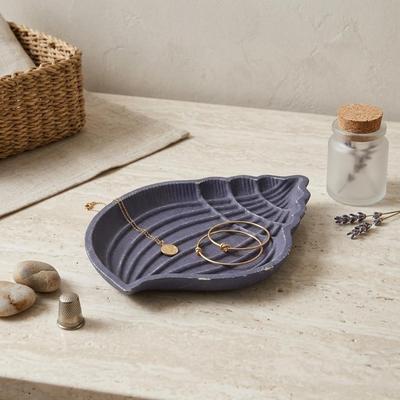
Cheungs Ceili Blue Cast Iron Coastal Sea Conch TrayDetails: Accent your home and space with a wonderful stylish accent piece. From shelves to dining tables, entryways to bedrooms, smaller decor pieces have found their way into spaces that need a finishing touch of flair or design.21,15 $*Shipping: 0,00 $Secure redirect to the provider
-
Cheungs Mythra Golden Angel Wings Cast Iron Wall HookThe Mythra Golden Angel Wings Cast Iron Wall Hook is a beautiful, functional piece for your home. Handcrafted from durable metal, this 5.5-inch hook features intricately designed angel wings finished in a luxurious gold tone.23,19 $*Shipping: 0,00 $Secure redirect to the provider
-
Is cast iron an alloy?
Yes, cast iron is considered an alloy. It is made by melting together iron and other elements, such as carbon and silicon, to create a material with specific properties. The addition of these elements changes the structure and characteristics of the iron, making it stronger and more resistant to wear and corrosion. **
-
What is the difference between iron and cast iron?
Iron is a chemical element with the symbol Fe and atomic number 26. It is a pure metal that is malleable and ductile. Cast iron, on the other hand, is a type of iron that contains higher amounts of carbon and silicon, making it more brittle and less malleable than pure iron. Cast iron is typically used for casting processes, such as in the production of cookware and engine blocks, due to its ability to be easily molded into complex shapes. **
-
How healthy are cast iron pans?
Cast iron pans are considered a healthy option for cooking as they are chemical-free and do not leach harmful substances into food. They also add small amounts of iron to your food, which can be beneficial for those who are iron deficient. However, it is important to properly season and maintain cast iron pans to prevent rust and maintain their non-stick properties. Overall, using cast iron pans in moderation as part of a balanced diet can be a healthy choice. **
-
How can you glue cast iron?
To glue cast iron, you will need to use a high-strength epoxy adhesive specifically designed for metal bonding. Make sure to clean the surface of the cast iron thoroughly to remove any dirt, grease, or rust before applying the adhesive. Apply the epoxy according to the manufacturer's instructions and allow it to cure for the recommended time. Once the adhesive has fully cured, the bond should be strong enough to hold the cast iron pieces together. Keep in mind that while epoxy can provide a strong bond, it may not be suitable for load-bearing or high-temperature applications. **
* All prices are inclusive of VAT and, if applicable, plus shipping costs. The offer information is based on the details provided by the respective shop and is updated through automated processes. Real-time updates do not occur, so deviations can occur in individual cases. ** Note: Parts of this content were created by AI.