Buy mfsc.eu ?
We are moving the project
mfsc.eu .
Are you interested in purchasing the domain
mfsc.eu ?
domain@kv-gmbh.de · 0541-91531010
Buy mfsc.eu ?
What are compulsive disorders, obsessive thoughts, and compulsive actions?
Compulsive disorders are mental health conditions characterized by the presence of obsessive thoughts and compulsive actions. Obsessive thoughts are persistent, intrusive, and unwanted thoughts that cause distress or anxiety. Compulsive actions are repetitive behaviors or rituals that a person feels driven to perform in response to their obsessive thoughts, in order to alleviate the anxiety or distress. These disorders can significantly interfere with daily functioning and can be difficult to control without professional help. **
What is the difference between compulsive tidying and compulsive thinking?
Compulsive tidying is a behavior characterized by an overwhelming urge to constantly clean and organize one's surroundings, often to the point of excess. On the other hand, compulsive thinking involves persistent, intrusive thoughts that are difficult to control and can lead to anxiety or distress. While compulsive tidying is focused on physical actions and organization, compulsive thinking is centered around mental processes and can be more challenging to manage. Both can be symptoms of underlying mental health conditions, such as obsessive-compulsive disorder, but they manifest in different ways. **


Similar search terms for Compulsive
Top-Angebote
Products related to Compulsive:
-
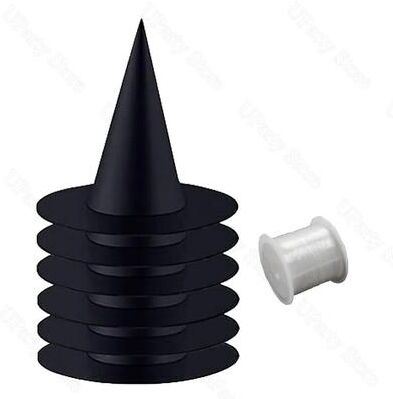
Uplift Treasures Halloween Hanging Witch Hats Set For Indoor And Outdoor Decorations 12pcs HatsProduct Description: Transform your home into a magical Halloween scene with these hanging black witch hats. Each hat comes with a hanging rope, making it easy to create the popular floating hat effect on porches, ceilings, trees, and party spaces....67,97 $*Shipping: 0,00 $Secure redirect to the provider
-
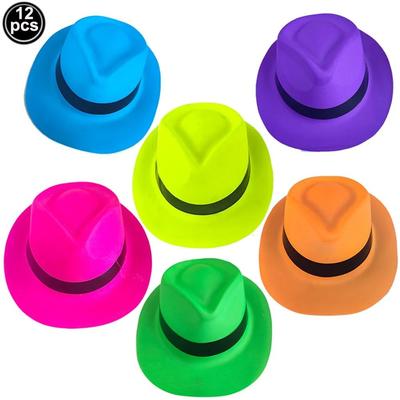
Uplift Picks Neon Party Fedora Hats Glow Bright Under UV Blacklight Party Celebrations hats (6 Pcs)Turn any dark party into a vibrant crowd moment with neon party hats designed to fluoresce under UV blacklight. Their bright colors stand out during dances, concerts, birthdays, and themed events while adding an easy costume accessory for guests....63,00 $*Shipping: 0,00 $Secure redirect to the provider
-
Inspired Living Floating Witch Hats Halloween Hanging Decorations 6 12 Piece Black Witch Hat Set 6pcs HatsTurn your home into an enchanting Halloween scene with hanging witch hats that appear to float overhead. These classic black hats add instant spooky charm to porches, ceilings, trees, entryways, and party spaces. Designed for anyone who loves easy,...23,97 $*Shipping: 0,00 $Secure redirect to the provider
-
Uplift Treasures Halloween Hanging Witch Hats Set For Indoor And Outdoor Decorations 6pcs HatsProduct Description: Transform your home into a magical Halloween scene with these hanging black witch hats. Each hat comes with a hanging rope, making it easy to create the popular floating hat effect on porches, ceilings, trees, and party spaces....46,97 $*Shipping: 0,00 $Secure redirect to the provider


-
What is compulsive behavior?
Compulsive behavior refers to repetitive actions or rituals that a person feels driven to perform, often in response to an obsessive thought or to alleviate anxiety. These behaviors can interfere with daily life and may be difficult to control, despite the negative consequences they may bring. Compulsive behaviors are often associated with conditions such as obsessive-compulsive disorder (OCD) or addiction. Treatment for compulsive behavior typically involves therapy, medication, and lifestyle changes. **
-
What are compulsive impulses?
Compulsive impulses are strong, uncontrollable urges to engage in certain behaviors, often despite negative consequences. These impulses can be driven by a variety of factors, including anxiety, stress, or a desire for relief or pleasure. People with compulsive impulses may feel a sense of urgency or a lack of control over their actions, and may engage in repetitive behaviors in an attempt to alleviate their distress. Compulsive impulses can be a symptom of various mental health conditions, such as obsessive-compulsive disorder or impulse control disorders. **
-
How can the compulsive urge to laugh about the compulsive thoughts be explained?
The compulsive urge to laugh about compulsive thoughts can be explained as a coping mechanism or defense mechanism. When faced with distressing or intrusive thoughts, some individuals may feel the need to laugh as a way to release tension or to try to minimize the seriousness of the thoughts. This can also be a way to try to distance oneself from the thoughts and to avoid feeling overwhelmed by them. Additionally, laughing about the thoughts may be a way for some individuals to seek reassurance or validation from others, as they may hope that by laughing, others will also find the thoughts less serious or distressing. **
-
Is this a compulsive behavior?
Yes, the behavior described in the previous message could be considered compulsive. Compulsive behaviors are repetitive actions that a person feels driven to perform, often in response to an obsessive thought or to alleviate anxiety. In this case, the individual is engaging in a behavior (checking the door multiple times) in response to a fear (that the door is not locked), which is a common characteristic of compulsive behavior. If this behavior is interfering with the person's daily life or causing distress, it may be worth seeking help from a mental health professional. **
What are compulsive self-talks?
Compulsive self-talks are repetitive, negative thoughts or phrases that individuals constantly repeat to themselves. These thoughts are often irrational, self-critical, or destructive in nature, and can lead to feelings of anxiety, depression, or low self-esteem. Compulsive self-talks can be difficult to control and can significantly impact a person's mental well-being and overall quality of life. Therapy, mindfulness techniques, and cognitive-behavioral strategies can be helpful in managing and reducing compulsive self-talks. **
What is compulsive hand washing?
Compulsive hand washing is a behavior characterized by an overwhelming urge to repeatedly wash one's hands, often to the point of causing physical harm. This behavior is often driven by obsessive thoughts about contamination or germs, and the individual may feel intense anxiety or distress if they do not wash their hands. Compulsive hand washing is a common symptom of obsessive-compulsive disorder (OCD) and can significantly interfere with daily functioning. Treatment typically involves therapy, medication, or a combination of both to help manage the symptoms. **
Top-Angebote
Products related to Compulsive:
-
Kringle Candle Knit Sweaters wax melt 64 gKringle Candle Knit Sweaters, 64 g, Wax Melts for Aroma Lamps Home Scents, A fragrance can add character to a room just the way designer accessories do. The Kringle Candle Knit Sweaters wax melt is a stylish way of adding a distinctive fragrance to your home. On melting, it releases an intense aroma that enhances the atmosphere and creates a sense of calm and well-being. The practical design also makes it easy to control the intensity to your liking. How to use: Never leave melted wax in the aroma lamp unattended or in the vicinity of easily flammable items. Do not leave the product within the reach of children or pets.4,50 £*Shipping: 3,99 £Secure redirect to the provider
-
Kringle Candle Knit Sweaters tealight candle 42 gKringle Candle Knit Sweaters, 42 g, Scented Candles Home Scents, The Kringle Candle Knit Sweaters tealight creates an atmosphere for every romantic dinner or regular evening. A candle placed in a candlestick becomes a home accessory and gives your smaller rooms a pleasant scent. A combination of several fragrances allows you to create a fragrant experience to your liking. Characteristics: a warm fragrance3,30 £*Shipping: 3,99 £Secure redirect to the provider
-
Uplift Treasures Halloween Hanging Witch Hats Set For Indoor And Outdoor Decorations 12pcs HatsProduct Description: Transform your home into a magical Halloween scene with these hanging black witch hats. Each hat comes with a hanging rope, making it easy to create the popular floating hat effect on porches, ceilings, trees, and party spaces....67,97 $*Shipping: 0,00 $Secure redirect to the provider
-
Uplift Picks Neon Party Fedora Hats Glow Bright Under UV Blacklight Party Celebrations hats (6 Pcs)Turn any dark party into a vibrant crowd moment with neon party hats designed to fluoresce under UV blacklight. Their bright colors stand out during dances, concerts, birthdays, and themed events while adding an easy costume accessory for guests....63,00 $*Shipping: 0,00 $Secure redirect to the provider
-
What are compulsive disorders, obsessive thoughts, and compulsive actions?
Compulsive disorders are mental health conditions characterized by the presence of obsessive thoughts and compulsive actions. Obsessive thoughts are persistent, intrusive, and unwanted thoughts that cause distress or anxiety. Compulsive actions are repetitive behaviors or rituals that a person feels driven to perform in response to their obsessive thoughts, in order to alleviate the anxiety or distress. These disorders can significantly interfere with daily functioning and can be difficult to control without professional help. **
-
What is the difference between compulsive tidying and compulsive thinking?
Compulsive tidying is a behavior characterized by an overwhelming urge to constantly clean and organize one's surroundings, often to the point of excess. On the other hand, compulsive thinking involves persistent, intrusive thoughts that are difficult to control and can lead to anxiety or distress. While compulsive tidying is focused on physical actions and organization, compulsive thinking is centered around mental processes and can be more challenging to manage. Both can be symptoms of underlying mental health conditions, such as obsessive-compulsive disorder, but they manifest in different ways. **
-
What is compulsive behavior?
Compulsive behavior refers to repetitive actions or rituals that a person feels driven to perform, often in response to an obsessive thought or to alleviate anxiety. These behaviors can interfere with daily life and may be difficult to control, despite the negative consequences they may bring. Compulsive behaviors are often associated with conditions such as obsessive-compulsive disorder (OCD) or addiction. Treatment for compulsive behavior typically involves therapy, medication, and lifestyle changes. **
-
What are compulsive impulses?
Compulsive impulses are strong, uncontrollable urges to engage in certain behaviors, often despite negative consequences. These impulses can be driven by a variety of factors, including anxiety, stress, or a desire for relief or pleasure. People with compulsive impulses may feel a sense of urgency or a lack of control over their actions, and may engage in repetitive behaviors in an attempt to alleviate their distress. Compulsive impulses can be a symptom of various mental health conditions, such as obsessive-compulsive disorder or impulse control disorders. **
Similar search terms for Compulsive
-
Inspired Living Floating Witch Hats Halloween Hanging Decorations 6 12 Piece Black Witch Hat Set 6pcs HatsTurn your home into an enchanting Halloween scene with hanging witch hats that appear to float overhead. These classic black hats add instant spooky charm to porches, ceilings, trees, entryways, and party spaces. Designed for anyone who loves easy,...23,97 $*Shipping: 0,00 $Secure redirect to the provider
-
Uplift Treasures Halloween Hanging Witch Hats Set For Indoor And Outdoor Decorations 6pcs HatsProduct Description: Transform your home into a magical Halloween scene with these hanging black witch hats. Each hat comes with a hanging rope, making it easy to create the popular floating hat effect on porches, ceilings, trees, and party spaces....46,97 $*Shipping: 0,00 $Secure redirect to the provider
-
Uplift Picks Neon Party Fedora Hats Glow Bright Under UV Blacklight Party Celebrations hats (12 Pcs)Turn any dark party into a vibrant crowd moment with neon party hats designed to fluoresce under UV blacklight. Their bright colors stand out during dances, concerts, birthdays, and themed events while adding an easy costume accessory for guests....85,00 $*Shipping: 0,00 $Secure redirect to the provider
-
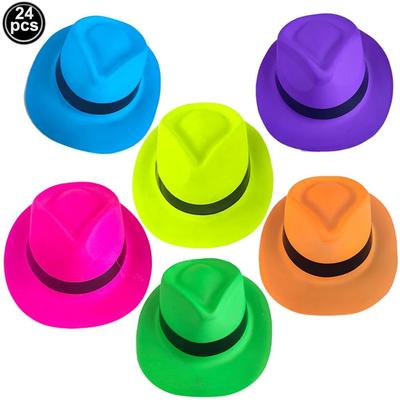
Uplift Picks Neon Party Fedora Hats Glow Bright Under UV Blacklight Party Celebrations hats (24 Pcs)Turn any dark party into a vibrant crowd moment with neon party hats designed to fluoresce under UV blacklight. Their bright colors stand out during dances, concerts, birthdays, and themed events while adding an easy costume accessory for guests....105,00 $*Shipping: 0,00 $Secure redirect to the provider
-
How can the compulsive urge to laugh about the compulsive thoughts be explained?
The compulsive urge to laugh about compulsive thoughts can be explained as a coping mechanism or defense mechanism. When faced with distressing or intrusive thoughts, some individuals may feel the need to laugh as a way to release tension or to try to minimize the seriousness of the thoughts. This can also be a way to try to distance oneself from the thoughts and to avoid feeling overwhelmed by them. Additionally, laughing about the thoughts may be a way for some individuals to seek reassurance or validation from others, as they may hope that by laughing, others will also find the thoughts less serious or distressing. **
-
Is this a compulsive behavior?
Yes, the behavior described in the previous message could be considered compulsive. Compulsive behaviors are repetitive actions that a person feels driven to perform, often in response to an obsessive thought or to alleviate anxiety. In this case, the individual is engaging in a behavior (checking the door multiple times) in response to a fear (that the door is not locked), which is a common characteristic of compulsive behavior. If this behavior is interfering with the person's daily life or causing distress, it may be worth seeking help from a mental health professional. **
-
What are compulsive self-talks?
Compulsive self-talks are repetitive, negative thoughts or phrases that individuals constantly repeat to themselves. These thoughts are often irrational, self-critical, or destructive in nature, and can lead to feelings of anxiety, depression, or low self-esteem. Compulsive self-talks can be difficult to control and can significantly impact a person's mental well-being and overall quality of life. Therapy, mindfulness techniques, and cognitive-behavioral strategies can be helpful in managing and reducing compulsive self-talks. **
-
What is compulsive hand washing?
Compulsive hand washing is a behavior characterized by an overwhelming urge to repeatedly wash one's hands, often to the point of causing physical harm. This behavior is often driven by obsessive thoughts about contamination or germs, and the individual may feel intense anxiety or distress if they do not wash their hands. Compulsive hand washing is a common symptom of obsessive-compulsive disorder (OCD) and can significantly interfere with daily functioning. Treatment typically involves therapy, medication, or a combination of both to help manage the symptoms. **
* All prices are inclusive of VAT and, if applicable, plus shipping costs. The offer information is based on the details provided by the respective shop and is updated through automated processes. Real-time updates do not occur, so deviations can occur in individual cases. ** Note: Parts of this content were created by AI.