Buy mfsc.eu ?
We are moving the project
mfsc.eu .
Are you interested in purchasing the domain
mfsc.eu ?
domain@kv-gmbh.de · 0541-91531010
Buy mfsc.eu ?
What are similarity ratios?
Similarity ratios are ratios that compare the corresponding sides of two similar figures. They help us understand the relationship between the sides of similar shapes. The ratio of corresponding sides in similar figures is always the same, which means that if you know the ratio of one pair of sides, you can use it to find the ratio of other pairs of sides. Similarity ratios are important in geometry and are used to solve problems involving similar figures. **
What is the difference between similarity theorem 1 and similarity theorem 2?
Similarity theorem 1, also known as the Angle-Angle (AA) similarity theorem, states that if two angles of one triangle are congruent to two angles of another triangle, then the triangles are similar. On the other hand, similarity theorem 2, also known as the Side-Angle-Side (SAS) similarity theorem, states that if two sides of one triangle are proportional to two sides of another triangle and the included angles are congruent, then the triangles are similar. The main difference between the two theorems is the criteria for establishing similarity - AA theorem focuses on angle congruence, while SAS theorem focuses on both side proportionality and angle congruence. **


Similar search terms for Similarity
Top-Angebote
Products related to Similarity:
-
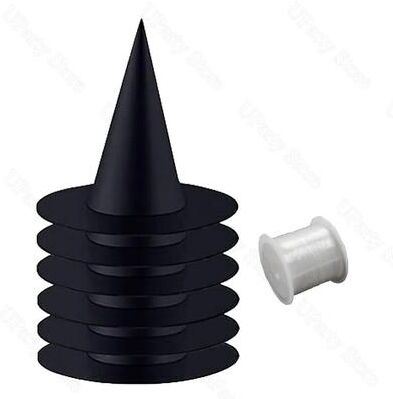
Uplift Treasures Halloween Hanging Witch Hats Set For Indoor And Outdoor Decorations 12pcs HatsProduct Description: Transform your home into a magical Halloween scene with these hanging black witch hats. Each hat comes with a hanging rope, making it easy to create the popular floating hat effect on porches, ceilings, trees, and party spaces....67,97 $*Shipping: 0,00 $Secure redirect to the provider
-
Uplift Picks Neon Party Fedora Hats Glow Bright Under UV Blacklight Party Celebrations hats (6 Pcs)Turn any dark party into a vibrant crowd moment with neon party hats designed to fluoresce under UV blacklight. Their bright colors stand out during dances, concerts, birthdays, and themed events while adding an easy costume accessory for guests....63,00 $*Shipping: 0,00 $Secure redirect to the provider
-
Inspired Living Floating Witch Hats Halloween Hanging Decorations 6 12 Piece Black Witch Hat Set 6pcs HatsTurn your home into an enchanting Halloween scene with hanging witch hats that appear to float overhead. These classic black hats add instant spooky charm to porches, ceilings, trees, entryways, and party spaces. Designed for anyone who loves easy,...23,97 $*Shipping: 0,00 $Secure redirect to the provider
-
Uplift Treasures Halloween Hanging Witch Hats Set For Indoor And Outdoor Decorations 6pcs HatsProduct Description: Transform your home into a magical Halloween scene with these hanging black witch hats. Each hat comes with a hanging rope, making it easy to create the popular floating hat effect on porches, ceilings, trees, and party spaces....46,97 $*Shipping: 0,00 $Secure redirect to the provider


-
How can one calculate the similarity factor to determine the similarity of triangles?
The similarity factor can be calculated by comparing the corresponding sides of two triangles. To do this, one can divide the length of one side of the first triangle by the length of the corresponding side of the second triangle. This process is repeated for all three pairs of corresponding sides. If the ratios of the corresponding sides are equal, then the triangles are similar, and the similarity factor will be 1. If the ratios are not equal, the similarity factor will be the ratio of the two triangles' areas. **
-
How can the similarity factor for determining the similarity of triangles be calculated?
The similarity factor for determining the similarity of triangles can be calculated by comparing the corresponding sides of the two triangles. If the ratio of the lengths of the corresponding sides of the two triangles is the same, then the triangles are similar. This ratio can be calculated by dividing the length of one side of a triangle by the length of the corresponding side of the other triangle. If all three ratios of corresponding sides are equal, then the triangles are similar. This is known as the similarity factor and is used to determine the similarity of triangles. **
-
What is the similarity ratio?
The similarity ratio is a comparison of the corresponding sides of two similar figures. It is used to determine how the dimensions of one figure compare to the dimensions of another figure when they are similar. The ratio is calculated by dividing the length of a side of one figure by the length of the corresponding side of the other figure. This ratio remains constant for all pairs of corresponding sides in similar figures. **
-
What is similarity in mathematics?
In mathematics, similarity refers to the relationship between two objects or shapes that have the same shape but are not necessarily the same size. This means that the objects are proportional to each other, with corresponding angles being equal and corresponding sides being in the same ratio. Similarity is often used in geometry to compare and analyze shapes, allowing for the transfer of properties and measurements from one shape to another. **
Do you see the similarity?
Yes, I see the similarity between the two concepts. Both share common characteristics and features that make them comparable. The similarities can be observed in their structure, function, and behavior. These similarities help in understanding and drawing parallels between the two concepts. **
'How do you prove similarity?'
Similarity between two objects can be proven using various methods. One common method is to show that the corresponding angles of the two objects are congruent, and that the corresponding sides are in proportion to each other. Another method is to use transformations such as dilation, where one object can be scaled up or down to match the other object. Additionally, if the ratio of the lengths of corresponding sides is equal, then the two objects are similar. These methods can be used to prove similarity in geometric figures such as triangles or other polygons. **
Top-Angebote
Products related to Similarity:
-
Kringle Candle Knit Sweaters wax melt 64 gKringle Candle Knit Sweaters, 64 g, Wax Melts for Aroma Lamps Home Scents, A fragrance can add character to a room just the way designer accessories do. The Kringle Candle Knit Sweaters wax melt is a stylish way of adding a distinctive fragrance to your home. On melting, it releases an intense aroma that enhances the atmosphere and creates a sense of calm and well-being. The practical design also makes it easy to control the intensity to your liking. How to use: Never leave melted wax in the aroma lamp unattended or in the vicinity of easily flammable items. Do not leave the product within the reach of children or pets.4,50 £*Shipping: 3,99 £Secure redirect to the provider
-
Kringle Candle Knit Sweaters tealight candle 42 gKringle Candle Knit Sweaters, 42 g, Scented Candles Home Scents, The Kringle Candle Knit Sweaters tealight creates an atmosphere for every romantic dinner or regular evening. A candle placed in a candlestick becomes a home accessory and gives your smaller rooms a pleasant scent. A combination of several fragrances allows you to create a fragrant experience to your liking. Characteristics: a warm fragrance3,30 £*Shipping: 3,99 £Secure redirect to the provider
-
Uplift Treasures Halloween Hanging Witch Hats Set For Indoor And Outdoor Decorations 12pcs HatsProduct Description: Transform your home into a magical Halloween scene with these hanging black witch hats. Each hat comes with a hanging rope, making it easy to create the popular floating hat effect on porches, ceilings, trees, and party spaces....67,97 $*Shipping: 0,00 $Secure redirect to the provider
-
Uplift Picks Neon Party Fedora Hats Glow Bright Under UV Blacklight Party Celebrations hats (6 Pcs)Turn any dark party into a vibrant crowd moment with neon party hats designed to fluoresce under UV blacklight. Their bright colors stand out during dances, concerts, birthdays, and themed events while adding an easy costume accessory for guests....63,00 $*Shipping: 0,00 $Secure redirect to the provider
-
What are similarity ratios?
Similarity ratios are ratios that compare the corresponding sides of two similar figures. They help us understand the relationship between the sides of similar shapes. The ratio of corresponding sides in similar figures is always the same, which means that if you know the ratio of one pair of sides, you can use it to find the ratio of other pairs of sides. Similarity ratios are important in geometry and are used to solve problems involving similar figures. **
-
What is the difference between similarity theorem 1 and similarity theorem 2?
Similarity theorem 1, also known as the Angle-Angle (AA) similarity theorem, states that if two angles of one triangle are congruent to two angles of another triangle, then the triangles are similar. On the other hand, similarity theorem 2, also known as the Side-Angle-Side (SAS) similarity theorem, states that if two sides of one triangle are proportional to two sides of another triangle and the included angles are congruent, then the triangles are similar. The main difference between the two theorems is the criteria for establishing similarity - AA theorem focuses on angle congruence, while SAS theorem focuses on both side proportionality and angle congruence. **
-
How can one calculate the similarity factor to determine the similarity of triangles?
The similarity factor can be calculated by comparing the corresponding sides of two triangles. To do this, one can divide the length of one side of the first triangle by the length of the corresponding side of the second triangle. This process is repeated for all three pairs of corresponding sides. If the ratios of the corresponding sides are equal, then the triangles are similar, and the similarity factor will be 1. If the ratios are not equal, the similarity factor will be the ratio of the two triangles' areas. **
-
How can the similarity factor for determining the similarity of triangles be calculated?
The similarity factor for determining the similarity of triangles can be calculated by comparing the corresponding sides of the two triangles. If the ratio of the lengths of the corresponding sides of the two triangles is the same, then the triangles are similar. This ratio can be calculated by dividing the length of one side of a triangle by the length of the corresponding side of the other triangle. If all three ratios of corresponding sides are equal, then the triangles are similar. This is known as the similarity factor and is used to determine the similarity of triangles. **
Similar search terms for Similarity
-
Inspired Living Floating Witch Hats Halloween Hanging Decorations 6 12 Piece Black Witch Hat Set 6pcs HatsTurn your home into an enchanting Halloween scene with hanging witch hats that appear to float overhead. These classic black hats add instant spooky charm to porches, ceilings, trees, entryways, and party spaces. Designed for anyone who loves easy,...23,97 $*Shipping: 0,00 $Secure redirect to the provider
-
Uplift Treasures Halloween Hanging Witch Hats Set For Indoor And Outdoor Decorations 6pcs HatsProduct Description: Transform your home into a magical Halloween scene with these hanging black witch hats. Each hat comes with a hanging rope, making it easy to create the popular floating hat effect on porches, ceilings, trees, and party spaces....46,97 $*Shipping: 0,00 $Secure redirect to the provider
-
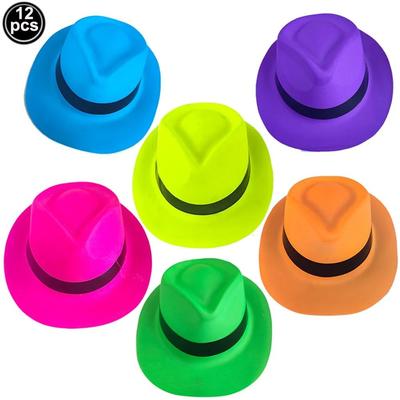
Uplift Picks Neon Party Fedora Hats Glow Bright Under UV Blacklight Party Celebrations hats (12 Pcs)Turn any dark party into a vibrant crowd moment with neon party hats designed to fluoresce under UV blacklight. Their bright colors stand out during dances, concerts, birthdays, and themed events while adding an easy costume accessory for guests....85,00 $*Shipping: 0,00 $Secure redirect to the provider
-
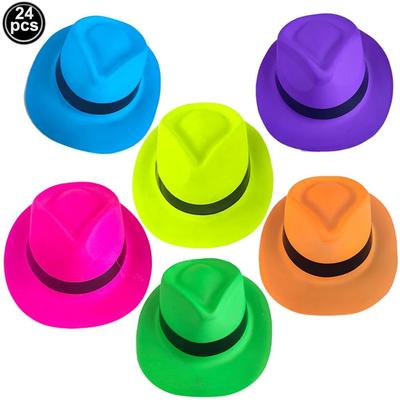
Uplift Picks Neon Party Fedora Hats Glow Bright Under UV Blacklight Party Celebrations hats (24 Pcs)Turn any dark party into a vibrant crowd moment with neon party hats designed to fluoresce under UV blacklight. Their bright colors stand out during dances, concerts, birthdays, and themed events while adding an easy costume accessory for guests....105,00 $*Shipping: 0,00 $Secure redirect to the provider
-
What is the similarity ratio?
The similarity ratio is a comparison of the corresponding sides of two similar figures. It is used to determine how the dimensions of one figure compare to the dimensions of another figure when they are similar. The ratio is calculated by dividing the length of a side of one figure by the length of the corresponding side of the other figure. This ratio remains constant for all pairs of corresponding sides in similar figures. **
-
What is similarity in mathematics?
In mathematics, similarity refers to the relationship between two objects or shapes that have the same shape but are not necessarily the same size. This means that the objects are proportional to each other, with corresponding angles being equal and corresponding sides being in the same ratio. Similarity is often used in geometry to compare and analyze shapes, allowing for the transfer of properties and measurements from one shape to another. **
-
Do you see the similarity?
Yes, I see the similarity between the two concepts. Both share common characteristics and features that make them comparable. The similarities can be observed in their structure, function, and behavior. These similarities help in understanding and drawing parallels between the two concepts. **
-
'How do you prove similarity?'
Similarity between two objects can be proven using various methods. One common method is to show that the corresponding angles of the two objects are congruent, and that the corresponding sides are in proportion to each other. Another method is to use transformations such as dilation, where one object can be scaled up or down to match the other object. Additionally, if the ratio of the lengths of corresponding sides is equal, then the two objects are similar. These methods can be used to prove similarity in geometric figures such as triangles or other polygons. **
* All prices are inclusive of VAT and, if applicable, plus shipping costs. The offer information is based on the details provided by the respective shop and is updated through automated processes. Real-time updates do not occur, so deviations can occur in individual cases. ** Note: Parts of this content were created by AI.