Buy mfsc.eu ?
We are moving the project
mfsc.eu .
Are you interested in purchasing the domain
mfsc.eu ?
domain@kv-gmbh.de · 0541-91531010
Buy mfsc.eu ?
How many pond snails are there in a 10,000-liter pond?
The number of pond snails in a 10,000-liter pond can vary depending on factors such as food availability, water quality, and predation. However, a rough estimate could be around 100-200 pond snails per liter of water, which would mean there could be approximately 1,000,000-2,000,000 pond snails in a 10,000-liter pond. It's important to note that this is just an estimate and the actual number could be higher or lower. **
Are pond mussels edible?
Yes, pond mussels are edible and can be consumed by humans. However, it is important to ensure that the mussels are harvested from clean and unpolluted waters, as they can accumulate toxins and pollutants from their environment. It is also important to properly clean and cook the mussels to reduce the risk of foodborne illness. Additionally, it is recommended to check with local regulations and guidelines for harvesting and consuming wild mussels. **

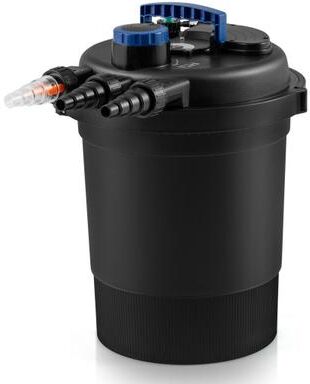
Similar search terms for Pond
Top-Angebote
Products related to Pond:
-
Gordonsbury Froggy Pond Cotton Cable BlanketThe Froggy Pond Crib Cotton Cable Blanket by Gordonsbury is the perfect addition to any crib ensemble. The charming and soft blanket is made from 100% White Cotton and features adorable embroidered froggie themed designs and finished with a charming...134,00 $*Shipping: 0,00 $Secure redirect to the provider


-
What are pond zones?
Pond zones are different areas within a pond that have distinct characteristics and support different types of plant and animal life. These zones can include the littoral zone, which is the shallow area near the shore where aquatic plants grow; the limnetic zone, which is the open water area where phytoplankton and zooplankton thrive; and the profundal zone, which is the deep, dark area where decomposing organic matter accumulates. Each zone plays a unique role in the pond ecosystem and contributes to its overall health and biodiversity. **
-
What are pond models?
Pond models are simplified representations of natural pond ecosystems that are used for scientific research and educational purposes. These models typically include physical components such as water, soil, plants, and small animals, as well as biological components such as bacteria, algae, and other microorganisms. Pond models are used to study ecological processes, nutrient cycling, and the impacts of environmental changes on aquatic ecosystems. They provide a controlled environment for researchers to manipulate variables and observe the effects on the pond ecosystem. **
-
What should be considered when creating a garden pond or natural pond?
When creating a garden pond or natural pond, it is important to consider the location and size of the pond. The pond should be situated in an area that receives a good amount of sunlight but is also protected from strong winds. Additionally, the size of the pond should be appropriate for the space and should be deep enough to support aquatic life. It is also important to consider the type of plants and wildlife that will be introduced to the pond, as well as the maintenance required to keep the pond healthy and thriving. Finally, the ecosystem of the pond should be carefully balanced to ensure the health and sustainability of the pond. **
-
Why does the pond drain after the pond pump is turned off?
The pond drains after the pond pump is turned off because the pump is responsible for circulating and maintaining the water level in the pond. When the pump is turned off, there is no longer a force pushing the water back into the pond, causing it to drain. Additionally, without the pump running, there is no water being added to compensate for evaporation or any potential leaks in the pond, leading to a decrease in water level. **

Does he damage the pond liner when he grazes in the garden pond?
Yes, he does damage the pond liner when he grazes in the garden pond. His hooves can puncture or tear the liner, leading to leaks and potential damage to the pond ecosystem. It is important to prevent him from accessing the pond area to avoid further harm to the liner and the pond itself. Implementing barriers or fencing around the pond can help protect the liner from grazing animals. **
How deep is the pond?
The depth of the pond can vary depending on its location and size. On average, ponds can range from a few feet deep to several meters deep. To determine the exact depth of a specific pond, it would be necessary to measure it using a depth finder or by physically measuring the depth at different points. **
Top-Angebote
Products related to Pond:
-
Gordonsbury Froggy Pond Crib SkirtThe Froggy Pond Crib Skirt by Gordonsbury is part of this adorable crib bedding set. The dust ruffle features charming frogs and their pond friends embroidered on a white background and finished with a green gingham trim. It coordinates beautifully...222,00 $*Shipping: 0,00 $Secure redirect to the provider
-
Gordonsbury Froggy Pond Cotton Cable BlanketThe Froggy Pond Crib Cotton Cable Blanket by Gordonsbury is the perfect addition to any crib ensemble. The charming and soft blanket is made from 100% White Cotton and features adorable embroidered froggie themed designs and finished with a charming...134,00 $*Shipping: 0,00 $Secure redirect to the provider
-
How many pond snails are there in a 10,000-liter pond?
The number of pond snails in a 10,000-liter pond can vary depending on factors such as food availability, water quality, and predation. However, a rough estimate could be around 100-200 pond snails per liter of water, which would mean there could be approximately 1,000,000-2,000,000 pond snails in a 10,000-liter pond. It's important to note that this is just an estimate and the actual number could be higher or lower. **
-
Are pond mussels edible?
Yes, pond mussels are edible and can be consumed by humans. However, it is important to ensure that the mussels are harvested from clean and unpolluted waters, as they can accumulate toxins and pollutants from their environment. It is also important to properly clean and cook the mussels to reduce the risk of foodborne illness. Additionally, it is recommended to check with local regulations and guidelines for harvesting and consuming wild mussels. **
-
What are pond zones?
Pond zones are different areas within a pond that have distinct characteristics and support different types of plant and animal life. These zones can include the littoral zone, which is the shallow area near the shore where aquatic plants grow; the limnetic zone, which is the open water area where phytoplankton and zooplankton thrive; and the profundal zone, which is the deep, dark area where decomposing organic matter accumulates. Each zone plays a unique role in the pond ecosystem and contributes to its overall health and biodiversity. **
-
What are pond models?
Pond models are simplified representations of natural pond ecosystems that are used for scientific research and educational purposes. These models typically include physical components such as water, soil, plants, and small animals, as well as biological components such as bacteria, algae, and other microorganisms. Pond models are used to study ecological processes, nutrient cycling, and the impacts of environmental changes on aquatic ecosystems. They provide a controlled environment for researchers to manipulate variables and observe the effects on the pond ecosystem. **
Similar search terms for Pond
-
What should be considered when creating a garden pond or natural pond?
When creating a garden pond or natural pond, it is important to consider the location and size of the pond. The pond should be situated in an area that receives a good amount of sunlight but is also protected from strong winds. Additionally, the size of the pond should be appropriate for the space and should be deep enough to support aquatic life. It is also important to consider the type of plants and wildlife that will be introduced to the pond, as well as the maintenance required to keep the pond healthy and thriving. Finally, the ecosystem of the pond should be carefully balanced to ensure the health and sustainability of the pond. **
-
Why does the pond drain after the pond pump is turned off?
The pond drains after the pond pump is turned off because the pump is responsible for circulating and maintaining the water level in the pond. When the pump is turned off, there is no longer a force pushing the water back into the pond, causing it to drain. Additionally, without the pump running, there is no water being added to compensate for evaporation or any potential leaks in the pond, leading to a decrease in water level. **
-
Does he damage the pond liner when he grazes in the garden pond?
Yes, he does damage the pond liner when he grazes in the garden pond. His hooves can puncture or tear the liner, leading to leaks and potential damage to the pond ecosystem. It is important to prevent him from accessing the pond area to avoid further harm to the liner and the pond itself. Implementing barriers or fencing around the pond can help protect the liner from grazing animals. **
-
How deep is the pond?
The depth of the pond can vary depending on its location and size. On average, ponds can range from a few feet deep to several meters deep. To determine the exact depth of a specific pond, it would be necessary to measure it using a depth finder or by physically measuring the depth at different points. **
* All prices are inclusive of VAT and, if applicable, plus shipping costs. The offer information is based on the details provided by the respective shop and is updated through automated processes. Real-time updates do not occur, so deviations can occur in individual cases. ** Note: Parts of this content were created by AI.